In the age of spiritual glitter and Instagram-approved wellness rituals, the true work of individuation is often glossed over like an old volume of Jung gathering dust on a top shelf.
Sure, lighting a candle and saying “I am abundant” into the mirror is fun, but real alchemy? It’s messy, raw, and frequently more ‘Cosmo post-breakup binge’ than ‘School of Life wisdom snack.’
But here’s the real kicker: individuation is about learning to dance with your demons, not banishing them. And yes, sometimes it’s a wild, sloppy twerk more than a graceful ballet.
The art of creative channeling: from shadows to gold
Carl Jung, the father of analytical psychology, famously said, “One does not become enlightened by imagining figures of light, but by making the darkness conscious.” In simpler terms: Quit pretending you don’t have an emotional junk drawer. The process of individuation (Jung’s term for becoming your most authentic, integrated self) requires confronting and integrating the shadow: the parts of ourselves we reject, deny, or simply fail to acknowledge.
Shadows are not inherently evil or negative. They are the discarded parts of ourselves, often filled with untapped potential, creativity, and authenticity. According to Dr. James Hollis, a Jungian analyst and author of Living an Examined Life, the shadow is “the source of our greatest creativity and renewal.” Without integrating it, we risk stagnation and living inauthentic lives, shackled by unconscious fears and desires.
Why creativity is the ultimate alchemical tool
Here’s the fun part. Creativity is the most accessible, yet underrated, tool for shadow work. Think about it. Where else can you let the bitchy, angsty, anxious, or downright absurd parts of yourself come out to play without consequence? In the creative act, repression becomes expression.
Renowned creativity researcher Mihaly Csikszentmihalyi, in his seminal book Creativity: Flow and the Psychology of Discovery and Invention, emphasizes that creativity often springs from the ability to balance contradictory traits within oneself—traits that might otherwise be buried in the shadows. In other words, it’s a sophisticated game of cognitive Jenga, stacking your neuroses and brilliance until something beautiful emerges.
Art as the playground of shadows
Creativity isn’t just a tool for individuation; it’s a crucible for transformation. Picasso’s most acclaimed works emerged not from his placid moods but from emotional upheavals and existential crises. Likewise, Sylvia Plath, for all her darkness, channeled her pain into a style of writing so vivid and visceral that her influence remains undeniable decades after her death.
The idea that art is born from suffering isn’t new. What’s refreshing is acknowledging that creative expression can be a playful, cathartic, even glamorous way of integrating one’s shadow. It doesn’t always have to look like Van Gogh’s personal and internal turmoil. Sometimes, it’s Vivienne Westwood thrashing about with punk fashion, Andy Warhol turning celebrity obsession into high art.
Sustainable alchemy: making peace with the process
The key to sustainable individuation is making peace with the endless nature of the process. Individuation isn’t something you complete, like a thesis or a fitness program. It’s a lifelong dance. Some days, it’s a cha-cha. The other days, however, it can be a death drop. The point is to keep moving, keep engaging, and keep channeling.
Echoing Jung’s sentiment, the psychologist Robert Johnson, in his book Owning Your Own Shadow, argues that shadow integration is not about purging darkness but understanding it, holding it, and allowing it to serve your growth. It’s about making your inner critic a collaborator, not an enemy.
Practical tips for creative channeling
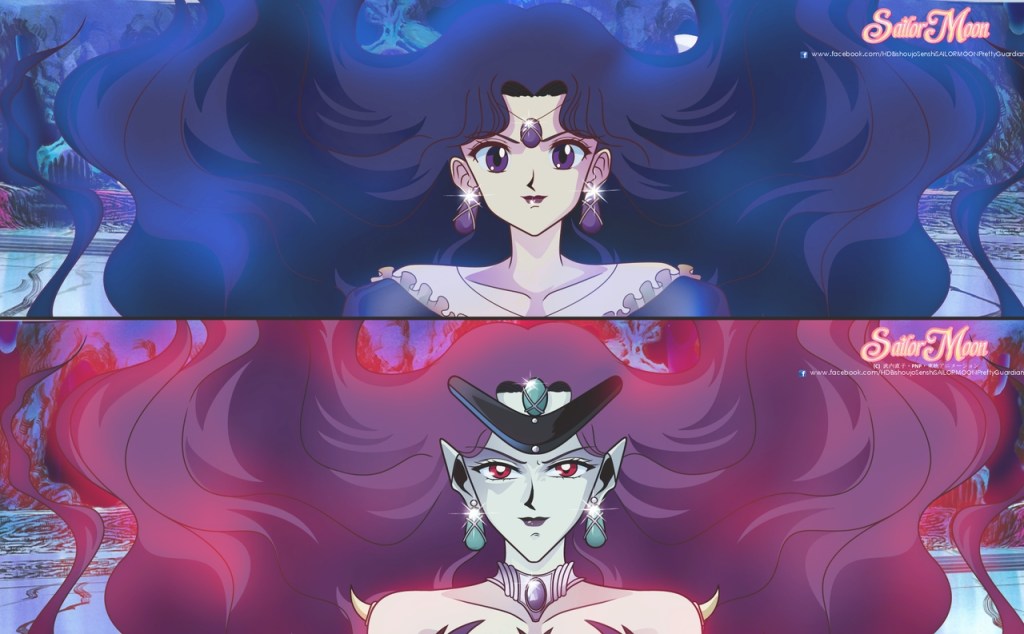
Here’s an example from my own creative process. When something utterly enrages me, whether it’s an ignorant comment from someone at work or a flippant rejection, I let Beryl, my inner diva with a talent for fiery, dramatic monologues, take the stage on Instagram Stories. She rants, she raves, and she drips sarcasm like Chanel No. 5.

Beryl gives me permission to channel rage into something entertaining and stylish, instead of just stewing in bitterness. Plus, some of the people in my followers group love her. They’re in on the game, knowing that Beryl is my performance piece, not a meltdown.
This is where storytelling through creative writing comes into play. By turning Beryl’s rants into episodic narratives or stylish commentary, I’m able to externalize my own emotional chaos in a controlled, artistic format.
Storytelling becomes the bridge between raw emotion and refined expression. It’s not about censoring or prettifying the darkness. It’s about letting it exist with all its messiness and then molding it into something captivating.
This method that I used, using fictional characters or exaggerated personas, can be applied by anyone seeking to channel intense emotions into creative works. The emotion never makes you, you. They’re just temporary feeling that you need to acknowledge. Once you acknowledge them, they’ll become your fuel to foster creativity.
How you can channel your emotions creatively
Character writing: Just like how I did it, you can create personas that embody your shadows. Make them outrageous, ridiculous, heartbreaking, you know, anything but bland. Then write from their perspective.
Journaling: No, not the pretty, pastel-planner type. We’re talking raw, unfiltered stream-of-consciousness stuff. The point is to let your shadows rant. Rage on the page is better than rage on your timeline.
Collage and/or visual art: Take scissors to old magazines and let the unconscious assemble its truth. Yes, it’s kindergarten arts-and-crafts, but the results can be deeply revealing.
Music & dance: Move the emotion through your body. It doesn’t matter if you’re a clumsy mess or a TikTok-worthy dancer. Movement is a form of release.
Now take the pen, start rewriting your story, and shape your future
If you’re here, reading this, you already sense there’s gold hidden in your darkness. The key is learning to transmute, not eradicate. Alchemy isn’t about erasing the impurities; it’s about refining them into something exquisite. Let your shadows be your muses, your collaborators, your co-conspirators. And above all, have fun with it.
By becoming aware of your shadows and channeling them creatively, you are not only expressing them but also rewriting your narrative. It’s about reclaiming the authorship of your own story.
When you consciously engage with your emotions and direct them toward something meaningful, you can even course-correct your trajectory.
After all, the most sustainable individuation process is one where you aren’t just surviving your shadows, but thriving with them.
 Justian Prinz
Leave a comment